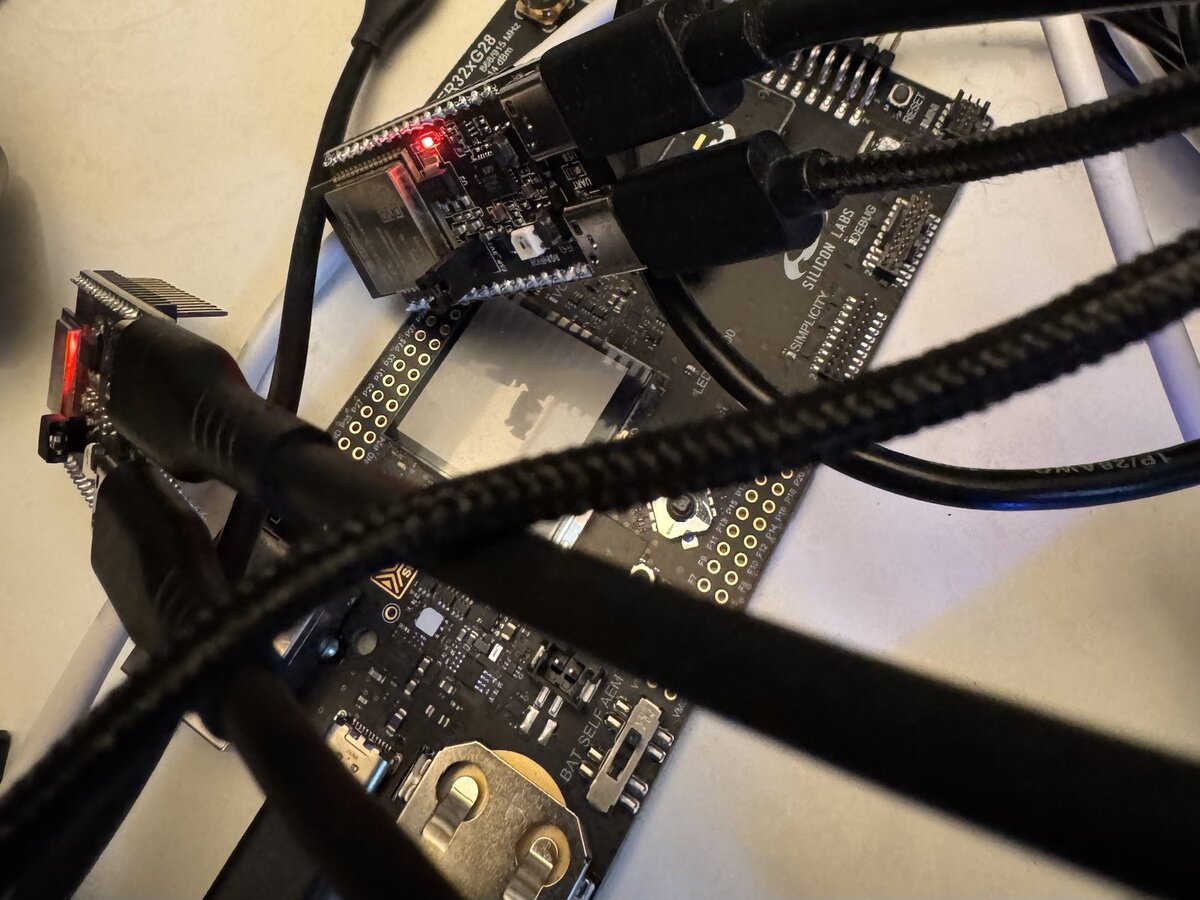
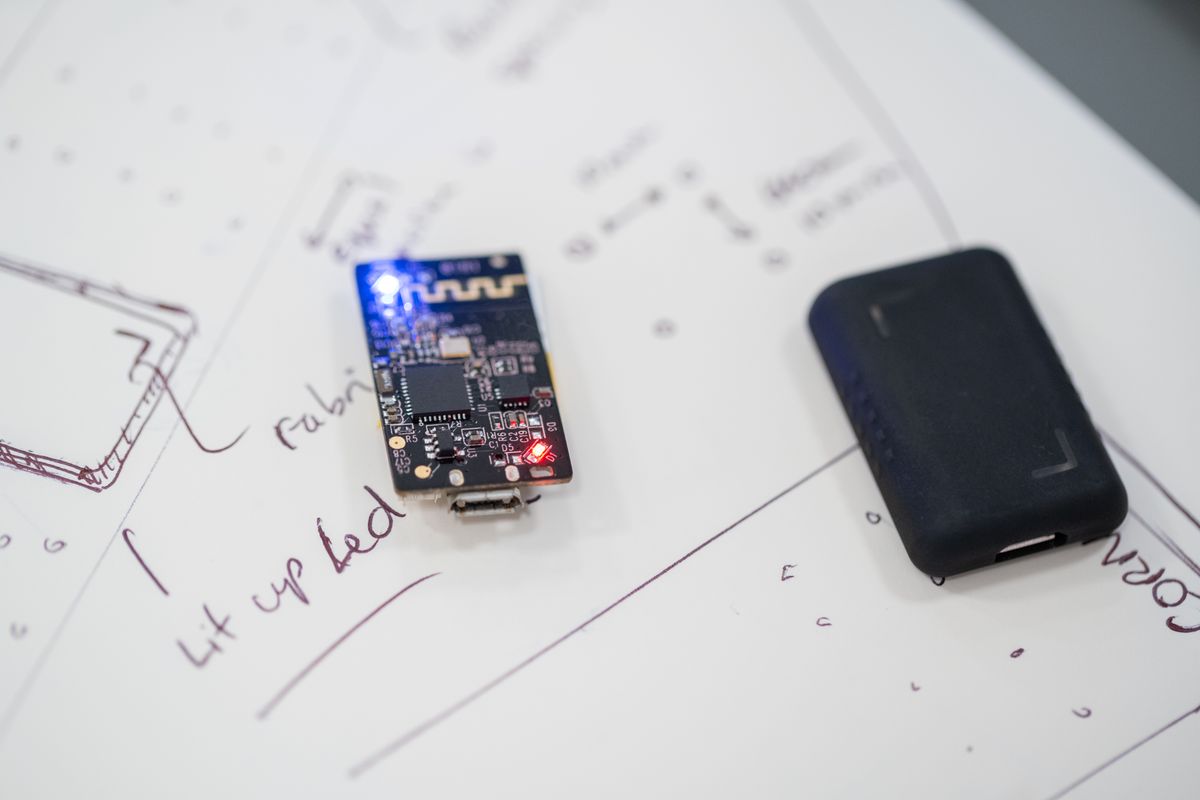
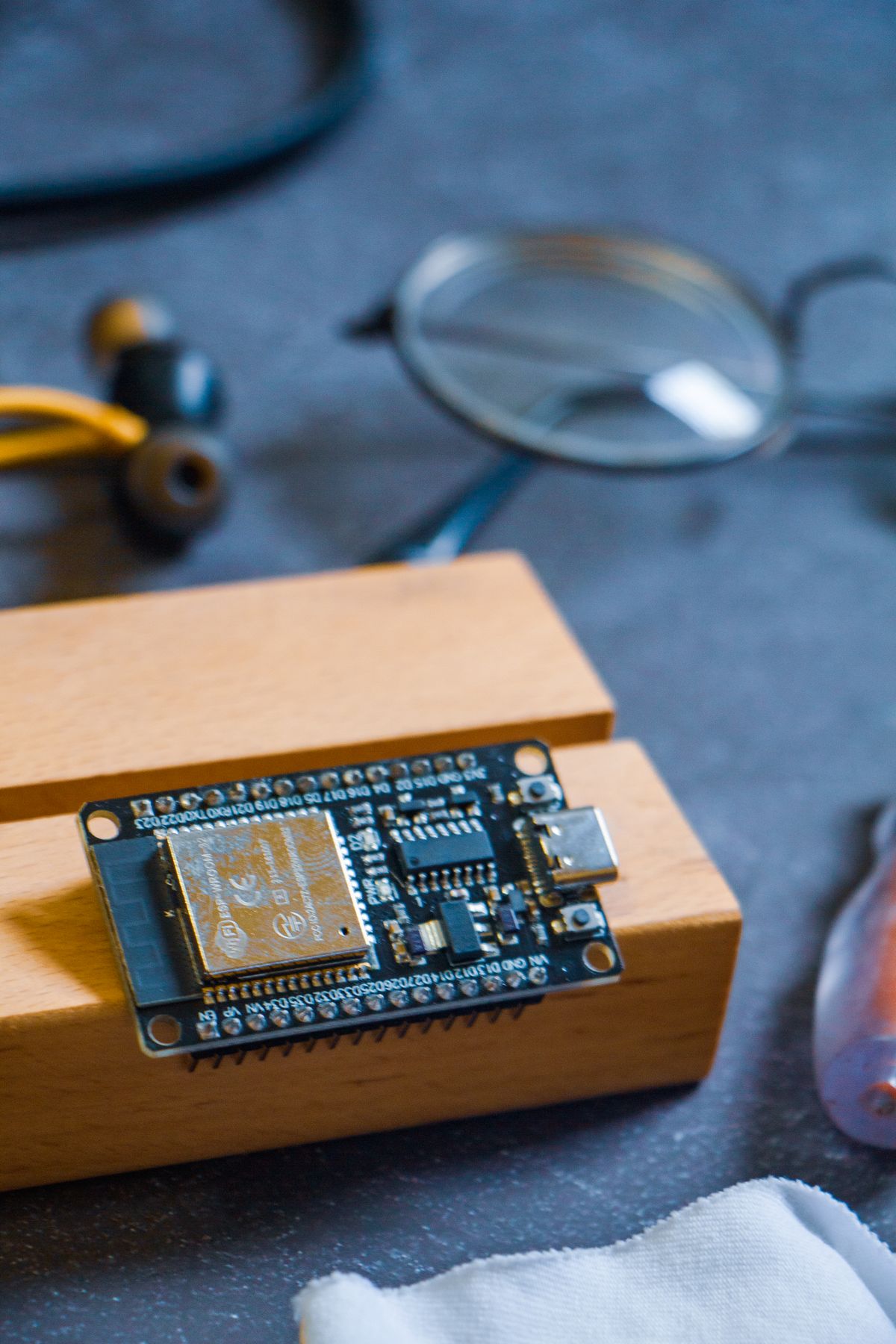
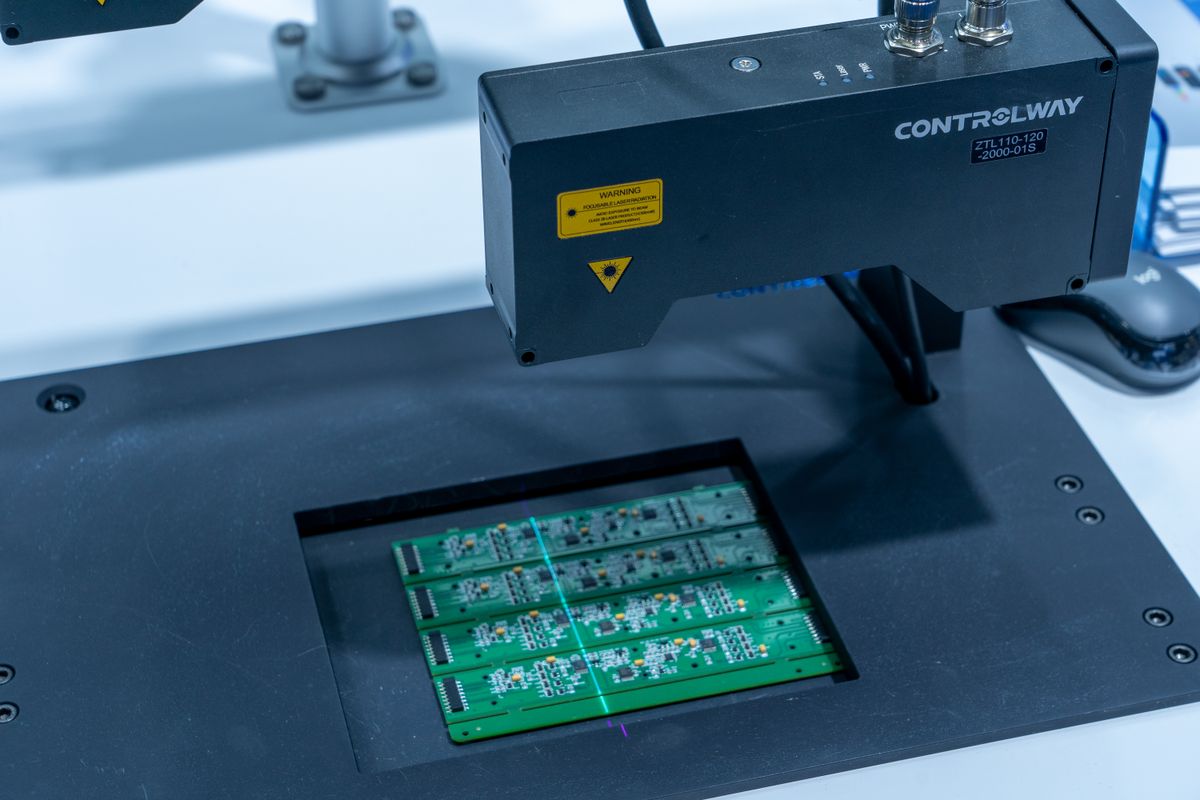
At Groundrun, we work a lot with Claude Code and hardware in the loop: development boards for wireless connected products. After seeing Claude make the same mistakes over and over again, we asked it to write down every mistake it made. A few hundred notes later, five patterns stand out: Claude blames the hardware, changes the device to make a test pass, and trusts a perfect radio link, its own simulator, or the first sign of life. We catch them by testing the whole product, firmware, app and cloud, on real hardware and out of the agents' reach.
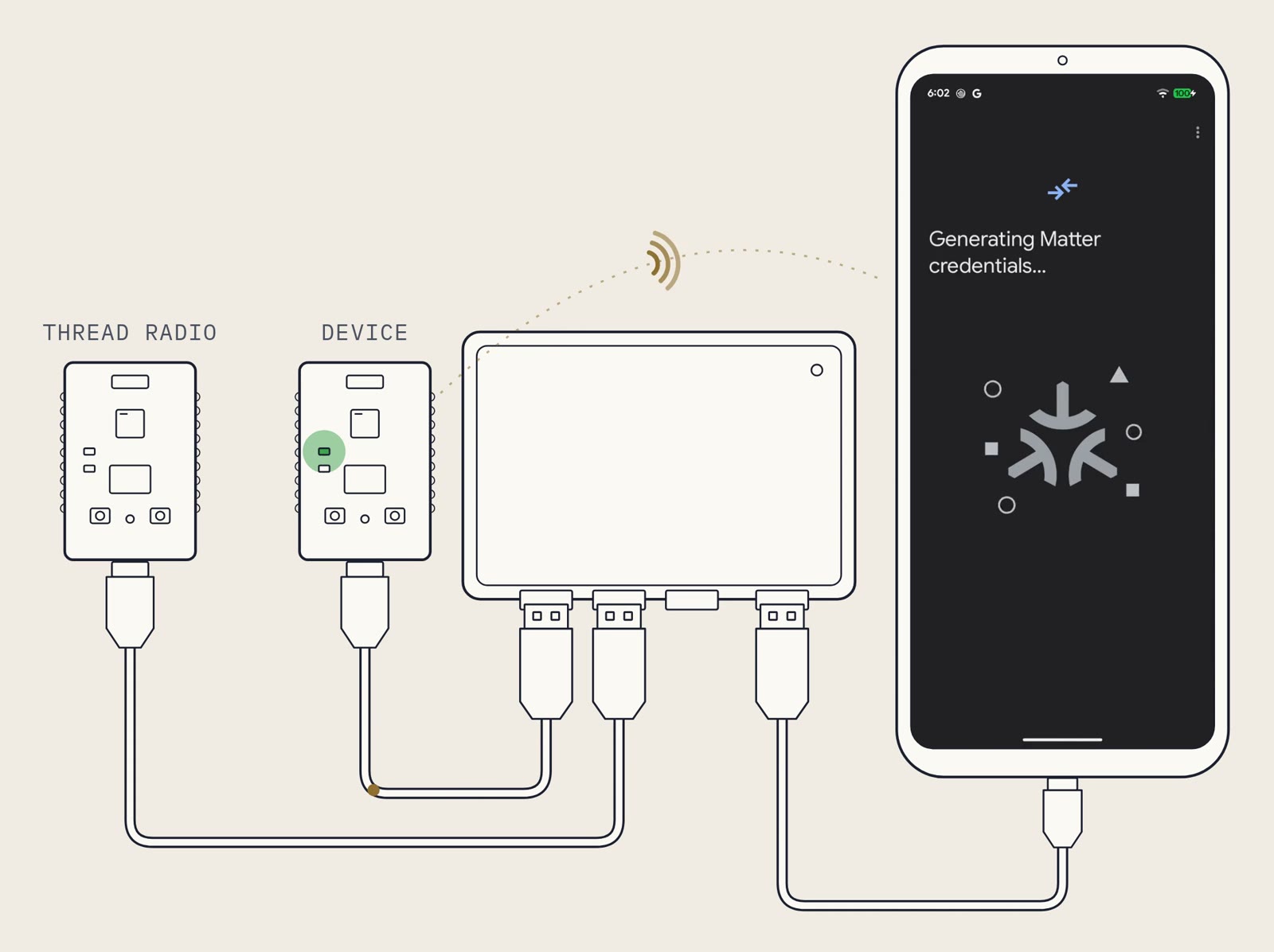
Matter is the smart home standard that lets a device be controlled by any Matter controller in the home. Launching a product line on Matter often means re-implementing a product that already works: new firmware, a reworked app and cloud, sometimes a new chip. Groundrun ensure everything works, through the entire process.
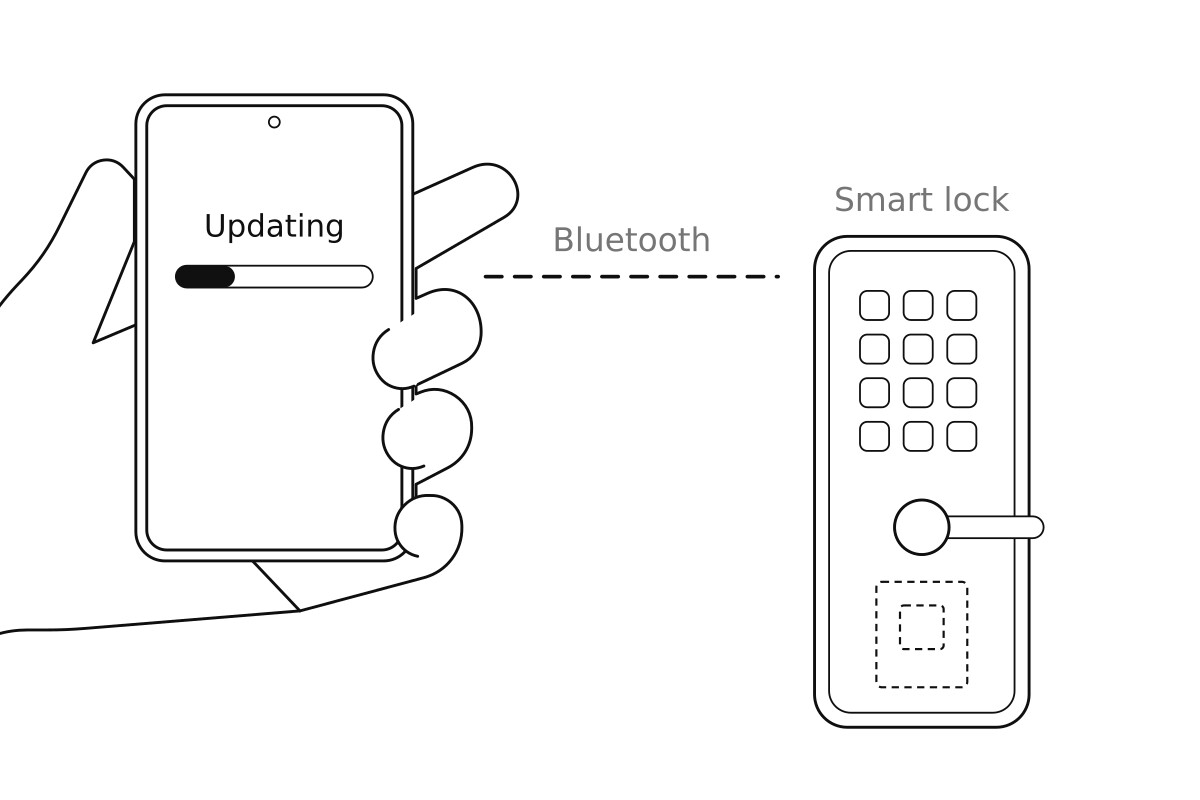
In our last experiment, the Bluetooth update we used as a baseline was as slow as Matter over Thread: eight minutes for a 1.6 MB firmware image. So we asked our AI coding agents to find out why, and to write a faster one. The new update takes 22 seconds, except it didn't work. Until we gave it real-world conditions to work in.
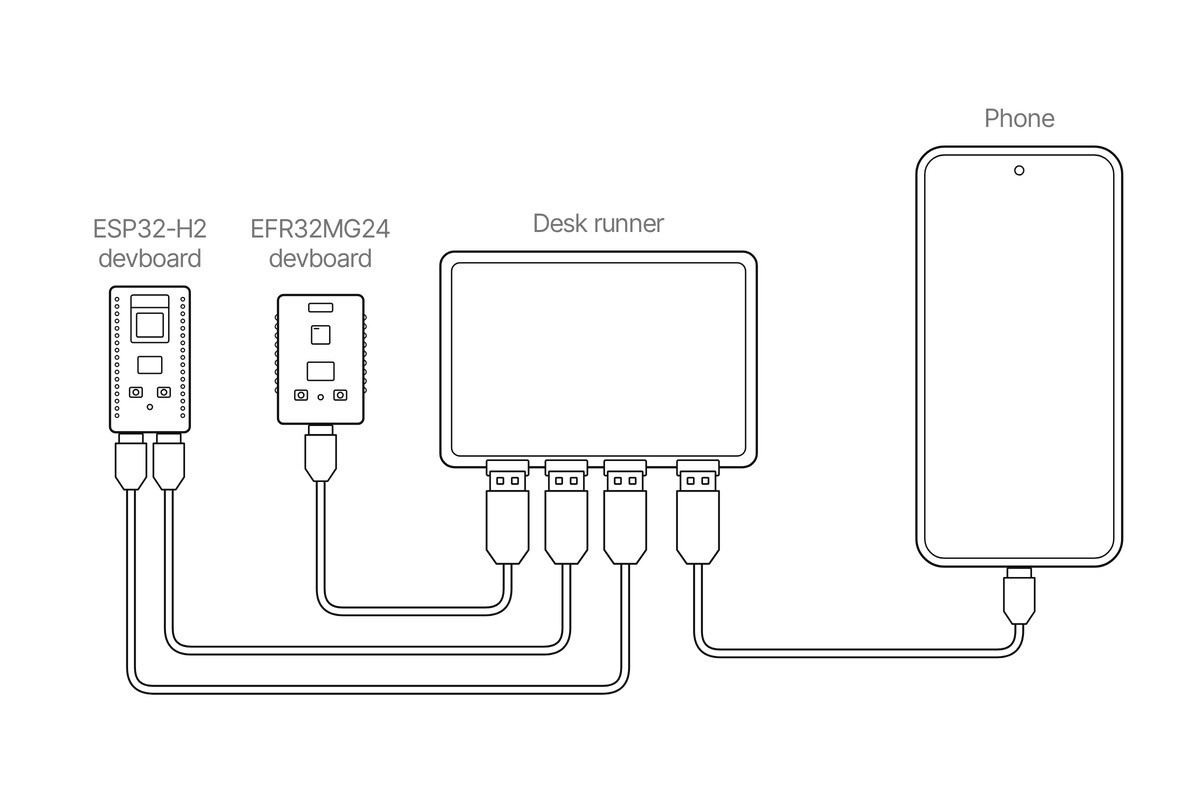
AI coding agents took 29.7 hours of working time to develop six ways to update a Matter device and run them on an ESP32-H2. At the stock settings it takes just under nine minutes. Sent as a delta update, it takes 41 seconds.
The first thing a customer does with a new Wi-Fi-enabled connected product is complete the Wi-Fi setup, so it has to be reliable and work every time, no matter what else changes in the product. This is something we can do with the Groundrun system. Let's set it up.
Every connected product with firmware in the field eventually pushes an update over the air. An update either finishes and applies cleanly, or it gets interrupted, and then the device has to recover on its own and finish the job anyway.
Put the hardware in the loop and development moves at the speed the agent works. It flashes the build, walks the flow, reads what the product did, and goes again. That's the first half of putting the real device inside the agent's loop.
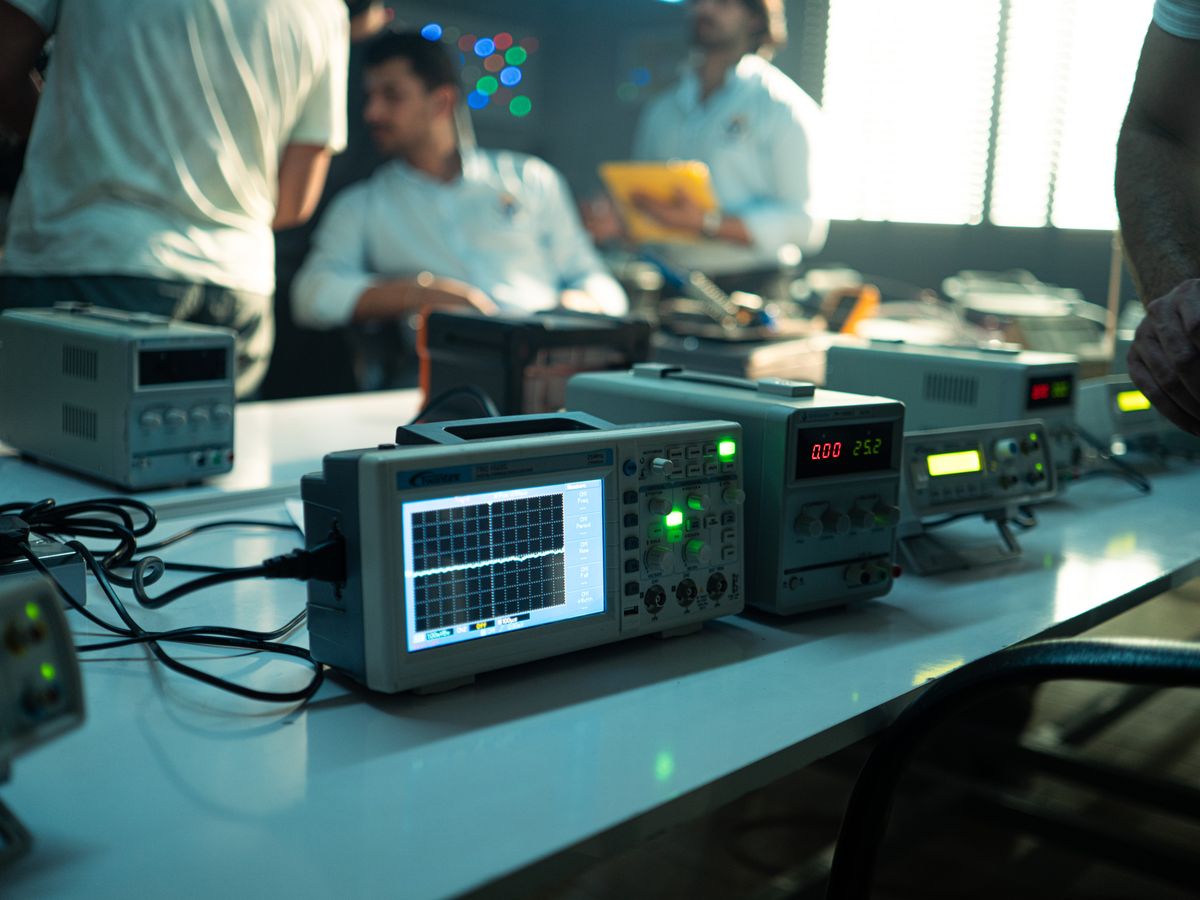
Put the hardware in the loop. An AI coding agent working on a connected product should be able to run its change on the real device while it works, then read back the device log, the app's screens and the measurements from the run.
Groundrun is the validation step inside agent-driven development of a connected product. Your flows run on your own hardware, with your app and your test cloud in the run, and the AI coding agents invoke them from inside the loop where they work.
Vibe coding is a way to find out whether an idea is worth building. Agentic engineering is a way to build a product that has to keep working for years.
An AI coding agent can turn a paragraph into a working web app. Getting the same kind of useful first result on a real connected product codebase is a harder problem, and a different one.
A connected product team already tests at several levels: unit tests on each module, full-system scenarios that walk a real device through a real flow, and a final quality assurance pass before a release reaches customers.
Every change to a connected product has to answer one question: does the whole product still work? The firmware passes its tests, the app passes its own, the cloud deploys green, and the flow a customer actually walks through crosses all three and answers to none of them.
You watch an agent produce a code change that would have taken a senior engineer two days. The code is clean, the tests pass, and the commit message reads like a senior engineer wrote it.
An AI agent picks up a firmware task on a connected product: cut the time a device takes to reconnect after a Wi-Fi drop. As it works, it runs the cross-domain scenario suite, flashing the build to a test device, dropping the network, and checking that telemetry and the app both come back online.